

Compliant food processing facilities are designed—not corrected—into compliance. The most effective designs integrate hygienic materials, contamination control, environmental systems, regulatory alignment, and worker safety early to reduce risk, streamline inspections, and support long-term operations.
Why Compliance Starts at the Design Phase
Food processing facilities operate under some of the most demanding regulatory oversight in the built environment. Unlike many other industrial facilities, food plants are evaluated not only on how they are built, but on how effectively they prevent contamination during daily operations.
Regulatory frameworks such as FSMA have reinforced a preventive mindset across the industry. Instead of reacting to contamination events, facilities are now expected to demonstrate that risks were addressed proactively through design, layout, and systems selection.
For facility owners, developers, engineers, and operations leaders, compliance challenges often stem from early planning decisions. Layout constraints, sanitation blind spots, and insufficient utilities are rarely random—they typically reflect design assumptions that were never fully tested against regulatory or operational realities.
Designing with compliance in mind from the outset creates flexibility, reduces costly redesigns, and positions facilities to adapt as regulations and production demands evolve.
1. Hygienic Design That Supports Daily Sanitation
Hygienic design is the foundation of food facility compliance. Regulators consistently expect facilities to be constructed in a way that allows them to be thoroughly cleaned, inspected, and maintained without introducing contamination risks.
This begins with material selection. Floors, walls, and ceilings must be smooth, non-porous, and resistant to moisture, temperature fluctuations, and cleaning chemicals. Epoxy flooring systems, stainless steel surfaces, and sealed wall panels are widely used because they support aggressive sanitation without deteriorating.
Drainage design is equally critical. Floors should be sloped toward properly sized drains to prevent standing water, which creates ideal conditions for microbial growth and slip hazards. Coved floor-to-wall transitions eliminate sharp corners where debris tends to accumulate and simplify sanitation procedures.
Designing for Sanitation Access and Long-Term Cleanability
Effective sanitation is not only about surfaces—it’s about access. Equipment layouts must allow sanitation teams to reach all contact and non-contact surfaces without excessive disassembly, confined-space work, or unsafe practices.
Facilities that overlook sanitation access often experience longer cleaning cycles, inconsistent results, and higher labor costs. Over time, these inefficiencies compound, affecting inspection outcomes, operational uptime, and employee fatigue.
According to Food Safety Magazine’s guidance on best practices in facility design, sanitation should be built into the facility itself rather than managed solely through procedures. Design-based controls reduce reliance on human behavior and help maintain consistent hygiene standards over the life of the facility.
From a compliance perspective, inspectors frequently focus first on visible sanitation risks. Facilities that demonstrate thoughtful hygienic design often move through inspections more efficiently and with fewer corrective actions.
2. Zoning Strategies That Prevent Cross-Contamination
Preventing cross-contamination is a central goal of food processing facility design. This requires clear physical separation between incompatible products, processes, and personnel flows.
Raw and ready-to-eat operations, allergen and non-allergen lines, and clean and non-clean activities should never share uncontrolled space. Effective zoning relies on walls, controlled access points, and defined transitions rather than signage or training alone.
Well-designed zoning supports:
- One-directional product flow from receiving to shipping
- Controlled personnel movement through hygiene stations
- Separation of raw, cooked, and finished goods
- Airflow that moves from clean spaces to less clean areas
Why Physical Separation Outperforms Procedural Controls
Facilities that rely primarily on employee training or procedural rules to manage contamination risk often experience breakdowns during shift changes, peak production, or workforce turnover.
Physical design controls—such as walls, pressure differentials, and hygiene entry points—reduce dependence on human behavior and create a more reliable compliance environment. These controls operate continuously, regardless of staffing changes or production pressures.
Hygiene transitions, including handwashing, gowning, and footwear controls, should be unavoidable gateways into production areas. Designing these transitions into the natural flow of the facility reinforces compliance without slowing operations.
3. Environmental Systems That Protect Food Safety
Environmental control systems play a critical role in food safety compliance but are often
underestimated during early planning. HVAC, refrigeration, plumbing, and wastewater infrastructure directly influence sanitation effectiveness and inspection readiness.
Temperature and humidity control are essential to preventing condensation, microbial growth, and product degradation. Processing areas that generate heat or moisture require adequate ventilation and dehumidification to maintain dry, sanitary conditions.
Utility Planning for Peak Loads and Future Growth
Water systems must be designed to support peak sanitation demand, not just average production needs. Inadequate hot water capacity or pressure can compromise cleaning effectiveness and slow operations, especially during multi-shift schedules.
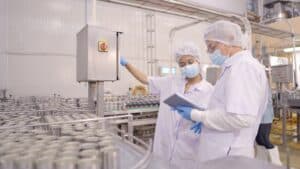
Wastewater systems also require careful planning. Drains must be properly sized, accessible, and routed to prevent
backups or cross-contamination. Poor drainage design is one of the most common sources of long-term compliance issues and maintenance challenges.
Regional conditions further influence environmental system design. Facilities in humid climates may require enhanced moisture control and corrosion-resistant materials, while those in arid or high-altitude regions must account for temperature swings, static control, or reduced air density.
Designing environmental systems with redundancy and future capacity in mind helps facilities remain compliant as production scales.
4. Regulatory Alignment Built Into the Facility Layout
Food processing facilities must comply with a complex mix of federal, state, and local regulations. These may include FDA or USDA requirements, FSMA provisions, health department rules, and building and fire codes.
Attempting to address regulatory requirements late in the design process often leads to costly redesigns, delayed approvals, and inspection setbacks. A compliance-first approach integrates regulatory considerations into layout planning, material selection, and system design from the outset.
According to USDA guidance on designing food facilities, early planning should account for inspection access, sanitation flow, material durability, and zoning strategies that prevent cross-contamination. These considerations are central to creating facilities that meet regulatory expectations and operate efficiently.
Early Coordination With Regulators Reduces Risk
Engaging regulatory authorities early in the design process can significantly reduce compliance risk. Preliminary reviews or informal consultations often surface concerns while changes are still manageable.
Facilities that pursue early alignment typically experience smoother inspections, faster approvals, and fewer corrective actions during commissioning and startup.
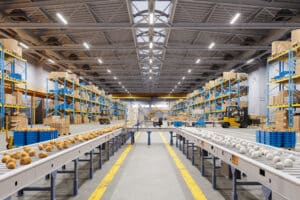
Experienced design/build teams understand how to translate regulatory language into practical design solutions that balance compliance, constructability, and long-term performance.
5. Designing for Worker Safety and Operational Compliance
Compliance extends beyond food safety to include worker health and safety. Food
processing facilities must support OSHA requirements, safe workflows, and emergency preparedness without compromising productivity.
Layouts should minimize conflict between people, equipment, and vehicles. Clear pedestrian paths, adequate spacing around machinery, and safe maintenance access points reduce injury risk and operational disruptions.
Supporting Workforce Efficiency and Retention
Environmental comfort also plays a role in compliance. Proper lighting, temperature control, and ergonomic design reduce fatigue and injury risk while supporting productivity.
Break rooms, locker rooms, and training spaces should be designed to keep street clothes separate from production areas and to support ongoing safety and food safety training.
Facilities that prioritize worker safety often experience lower incident rates, improved retention, and more consistent operations—outcomes that directly support compliance goals.
Designing for Flexibility and Long-Term Compliance
Regulatory expectations, inspection standards, and production demands continue to evolve. Facilities designed only to meet minimum requirements often struggle to adapt without costly retrofits.
Designing with flexibility in mind—such as allowing space for future equipment, additional sanitation infrastructure, or expanded inspection requirements—helps facilities remain compliant over time.
Early investments in flexibility typically cost far less than corrective upgrades later in a facility’s lifecycle.
Ensuring Facilities Stay Compliant Over Time
Compliance in food processing facility design is not achieved through a single decision or checklist. It results from a coordinated strategy that integrates hygienic design, contamination control, environmental systems, regulatory alignment, and workforce needs into a unified plan.
Facilities designed with compliance at their core are easier to operate, simpler to inspect, and more adaptable as regulations and production demands change.
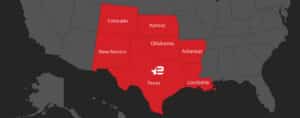
At Bohden Group, our design/build approach allows compliance considerations to be addressed holistically—from concept through construction. Drawing on nationwide experience, including projects across Texas, Colorado, Arkansas, Oklahoma, Louisiana, New Mexico, and Arizona, we help clients navigate complex requirements while delivering facilities built for long-term performance, safety, and regulatory confidence.